Collect and sun-dry
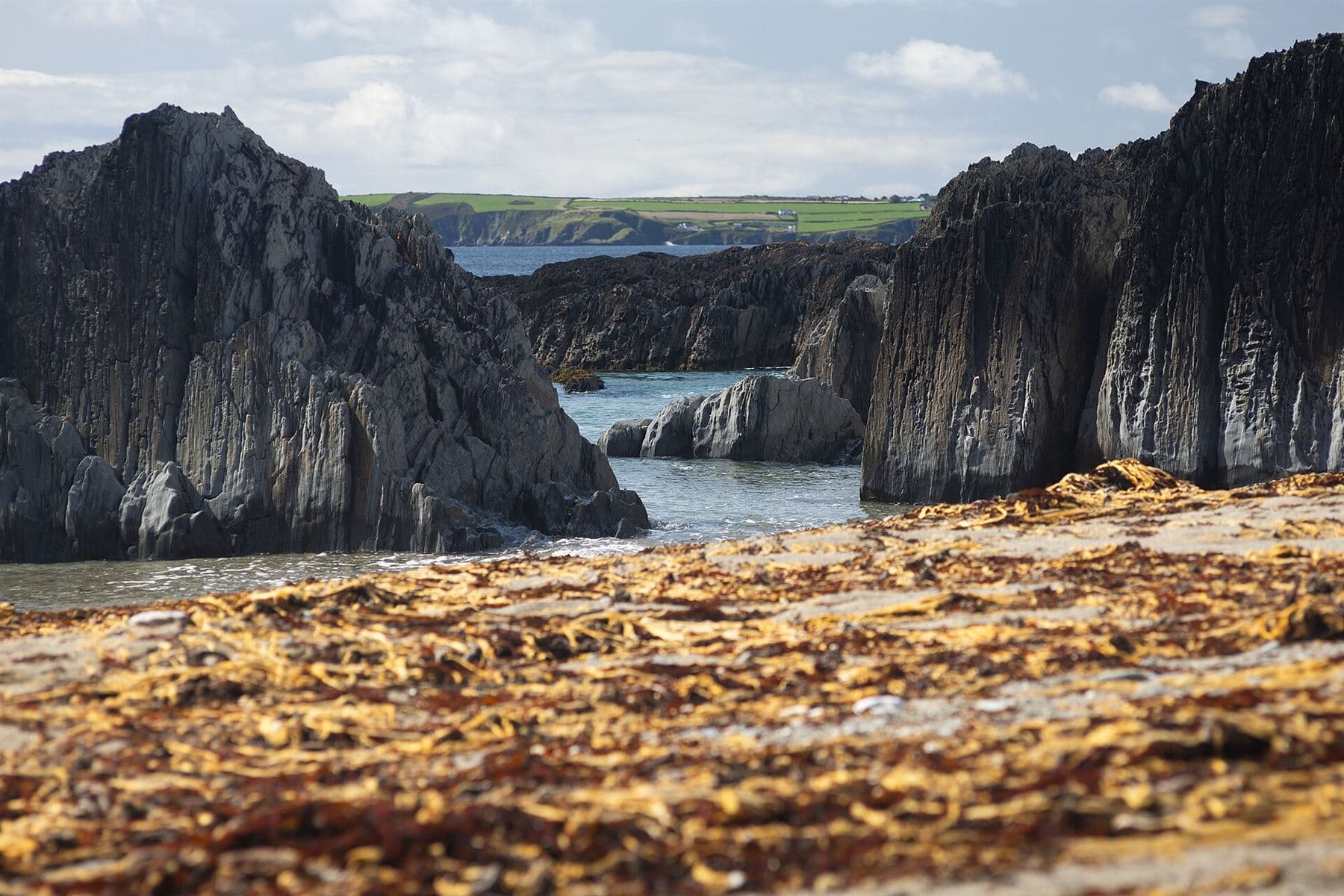
Seaweed is gathered and dried in open air and sunlight.
Four natural ingredients, shaped at room temperature into one solid biocomposite.
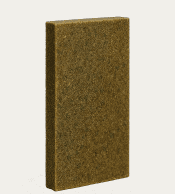
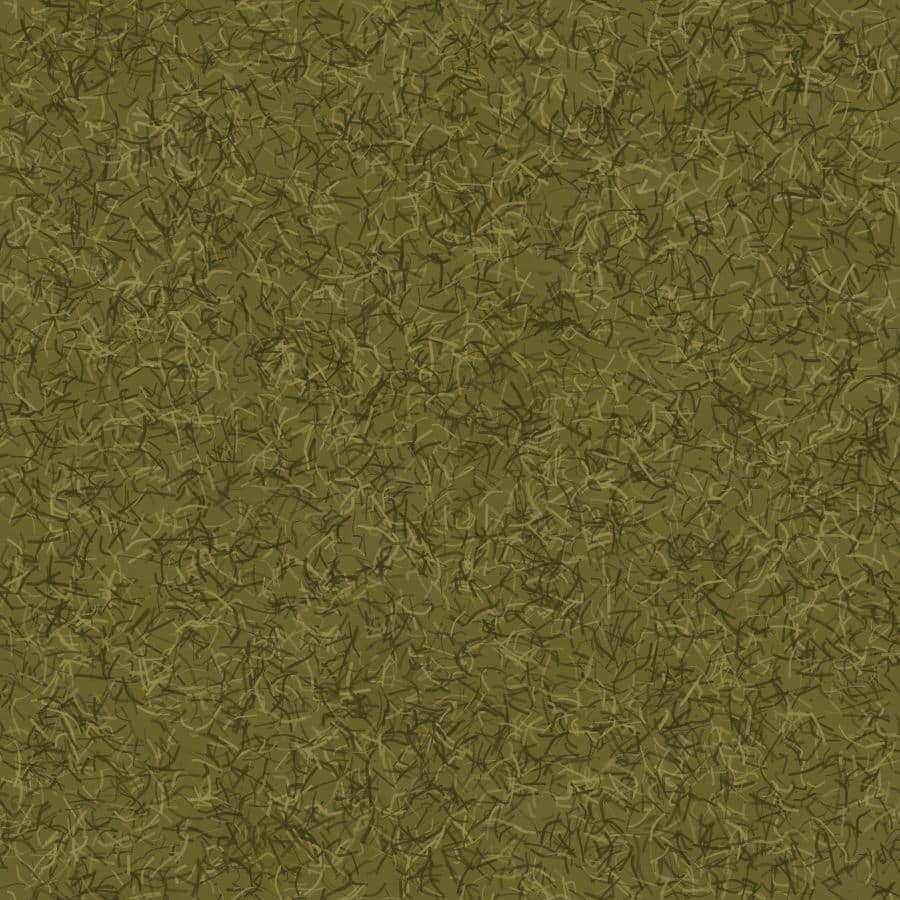
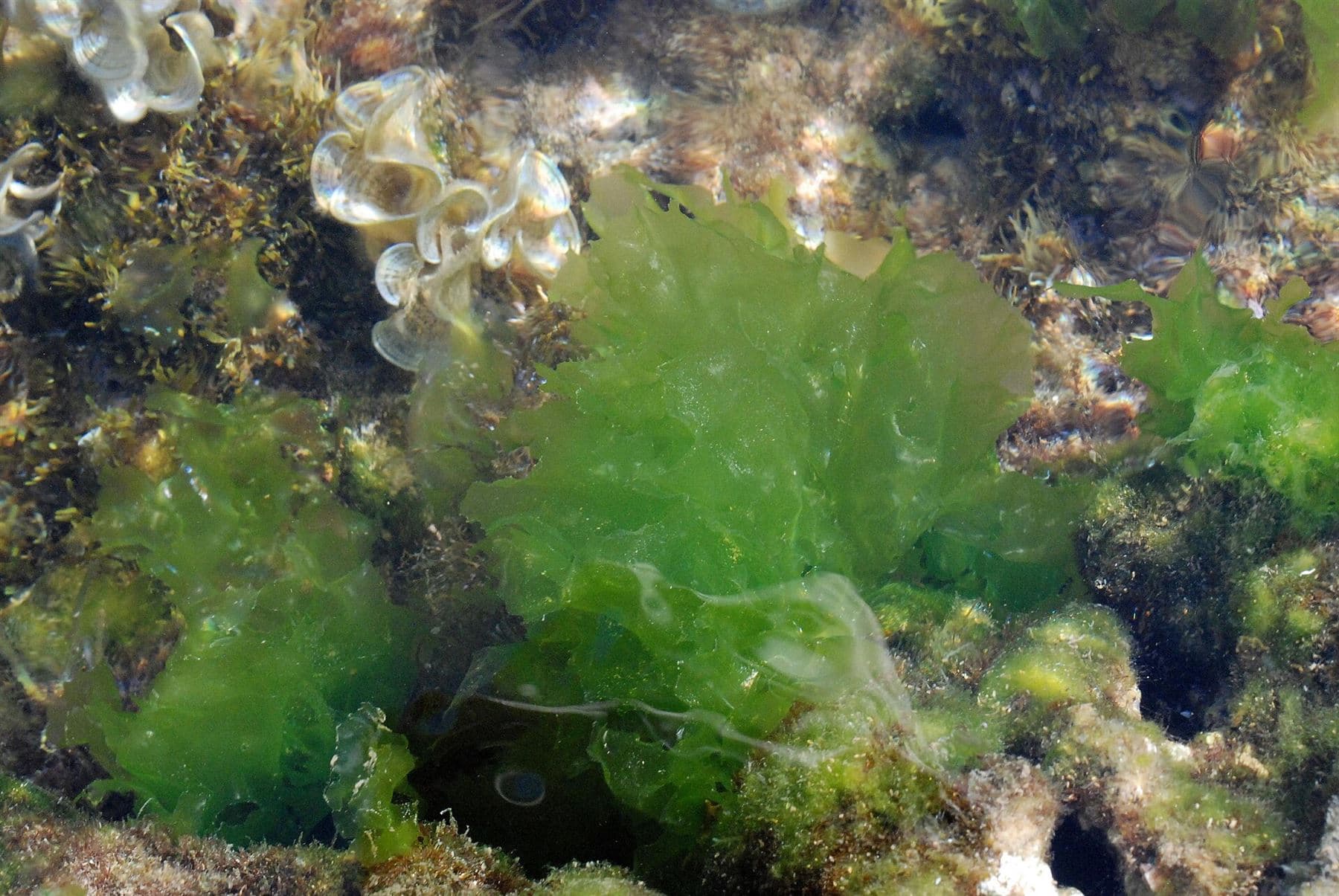
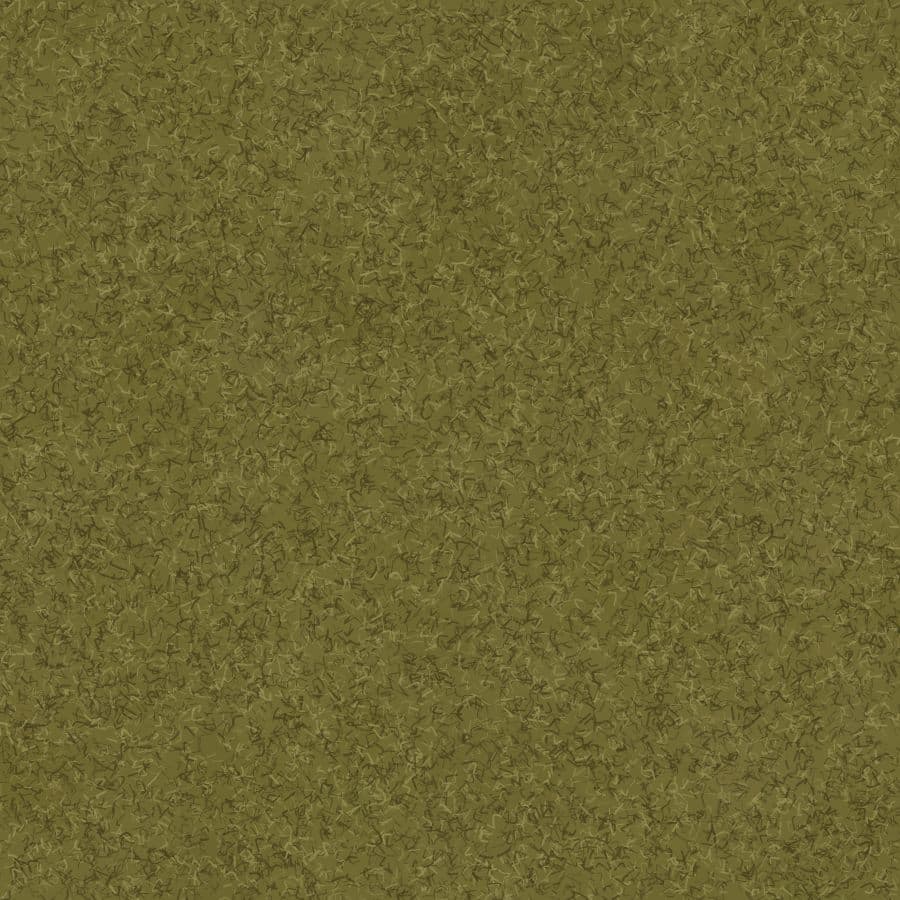
Sun-dried marine macroalgae form the fibre network. Different species give gentle colour variation.
A mineral binder that hardens around the fibres and gives strength and stability.
Helps lime and fibre bond evenly. No synthetic additives.
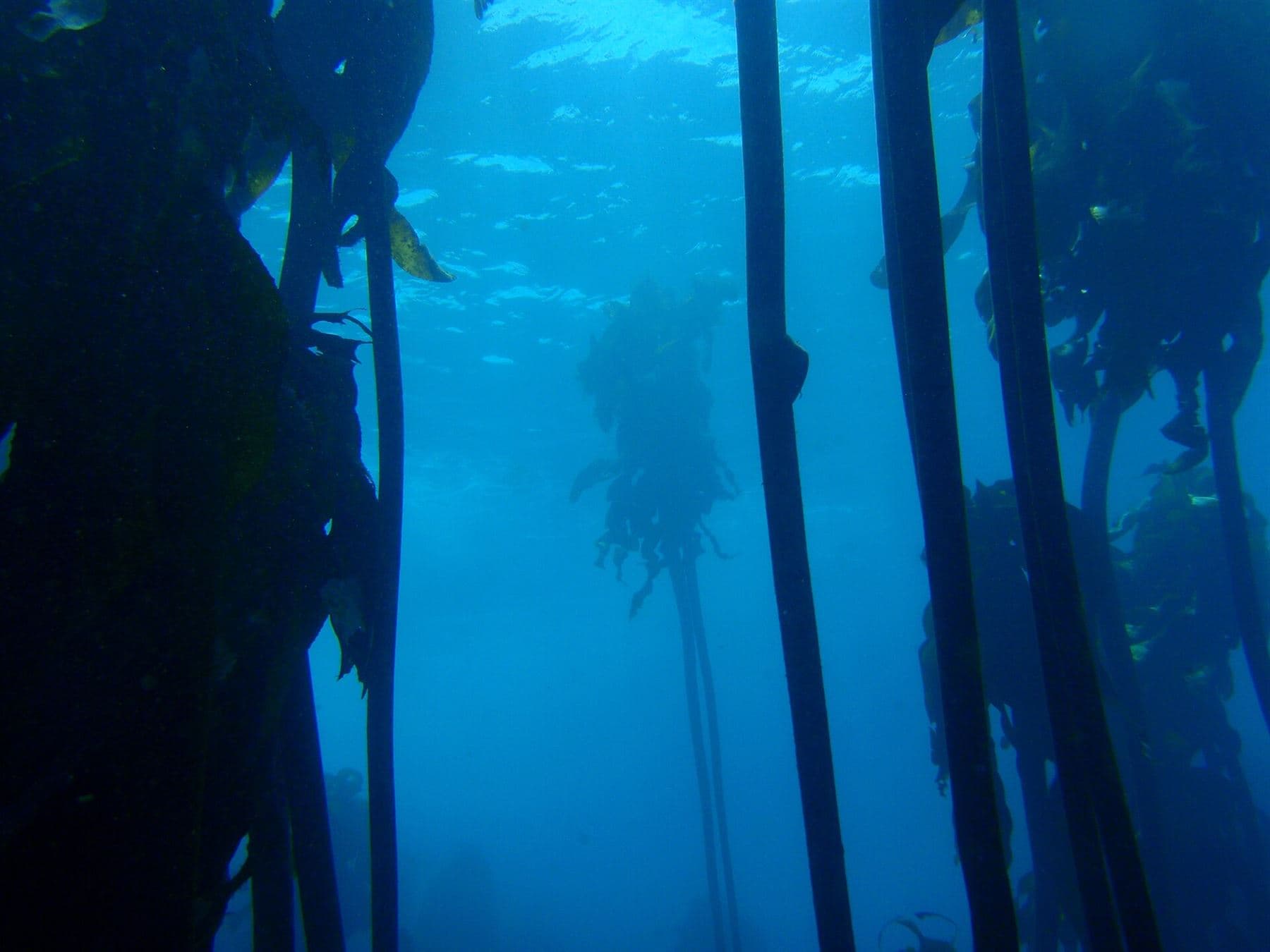
Opens the fibres and carries the mix. It leaves as the panel dries, leaving tiny pores behind.
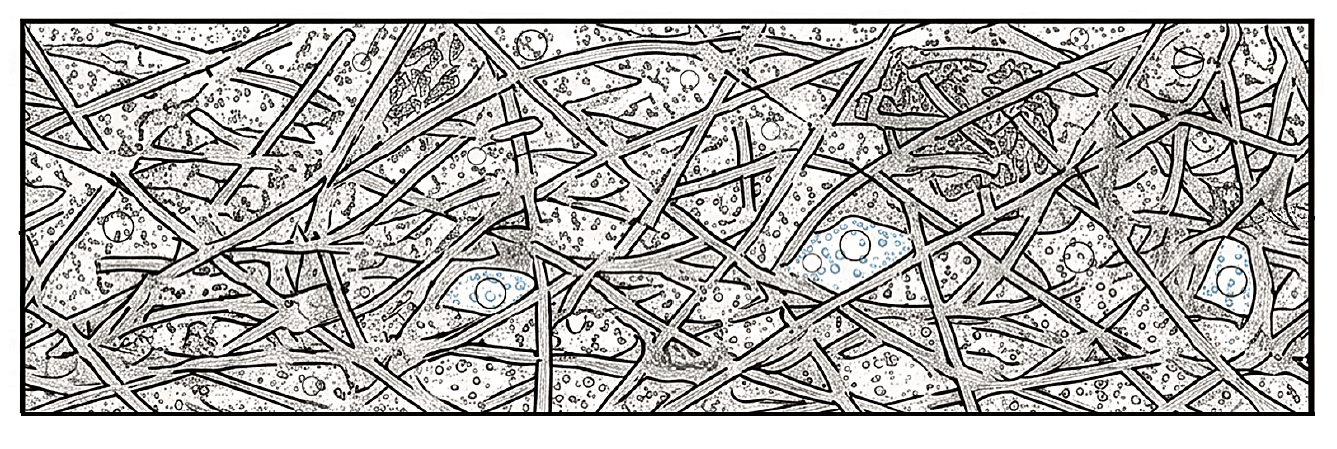
Tap the points on the cross-section to see how each property comes from the structure itself.
1
Seaweed fibres cross and knot into a connected web that carries the panel, with no resin or glue.
No kilns, no presses, no curing ovens. The panel is formed and dried at room temperature.
Seaweed is gathered and dried in open air and sunlight.
The dried seaweed is worked in water until its fibres open into an even web.
Lime and a natural organic acid are added so the binder coats every fibre.
The mix is cast into a mould and left to dry and harden in the air, absorbing CO₂.
When a panel’s working life ends, it can be broken up and composted. The seaweed returns as organic matter and the lime as calcium for the soil, with no toxic residue.
Based on our in-house tests. We do not yet hold third-party certification.
Architects, designers and builders: ask for a sample and see the material in your hands.