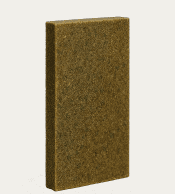
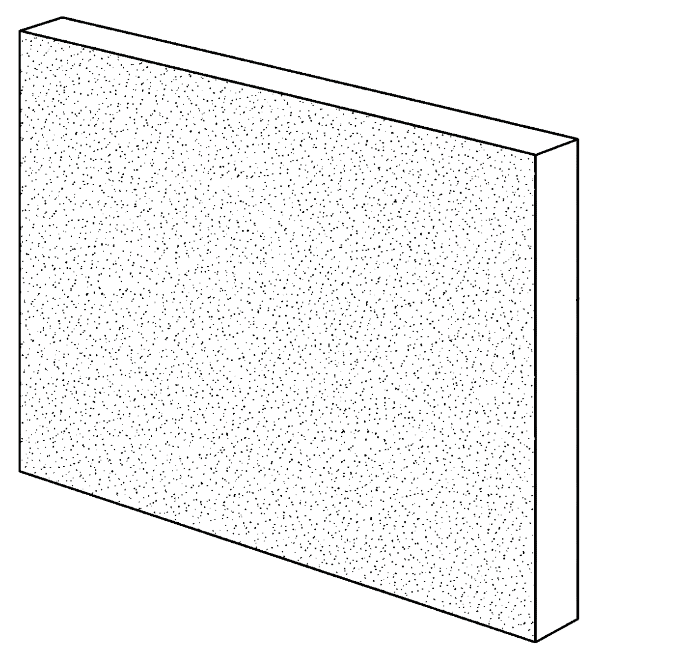
Flat board, olive tone
Seaweed fibres and lime, formed at room temperature into a healthy, acoustic panel that returns to the soil.
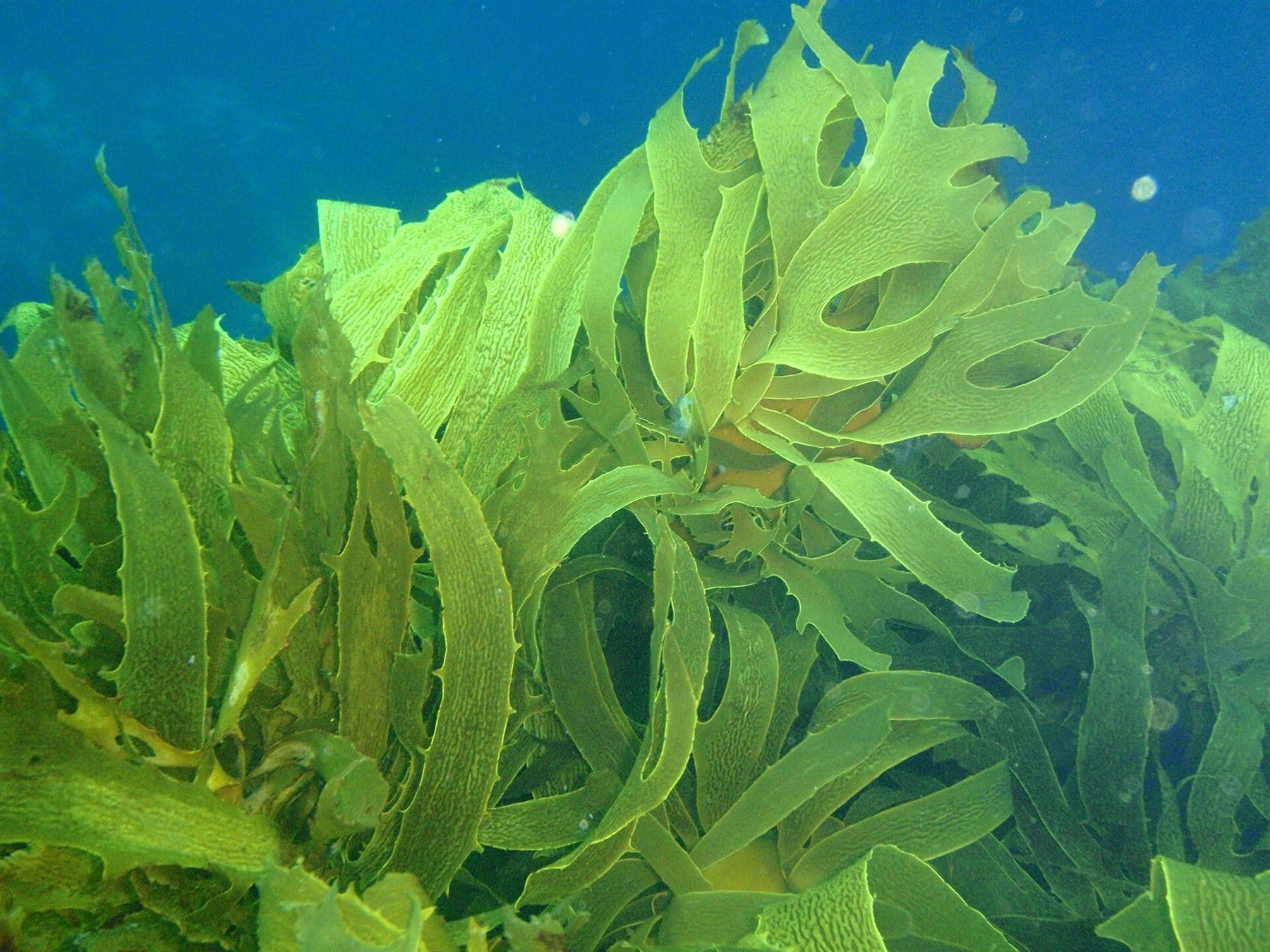
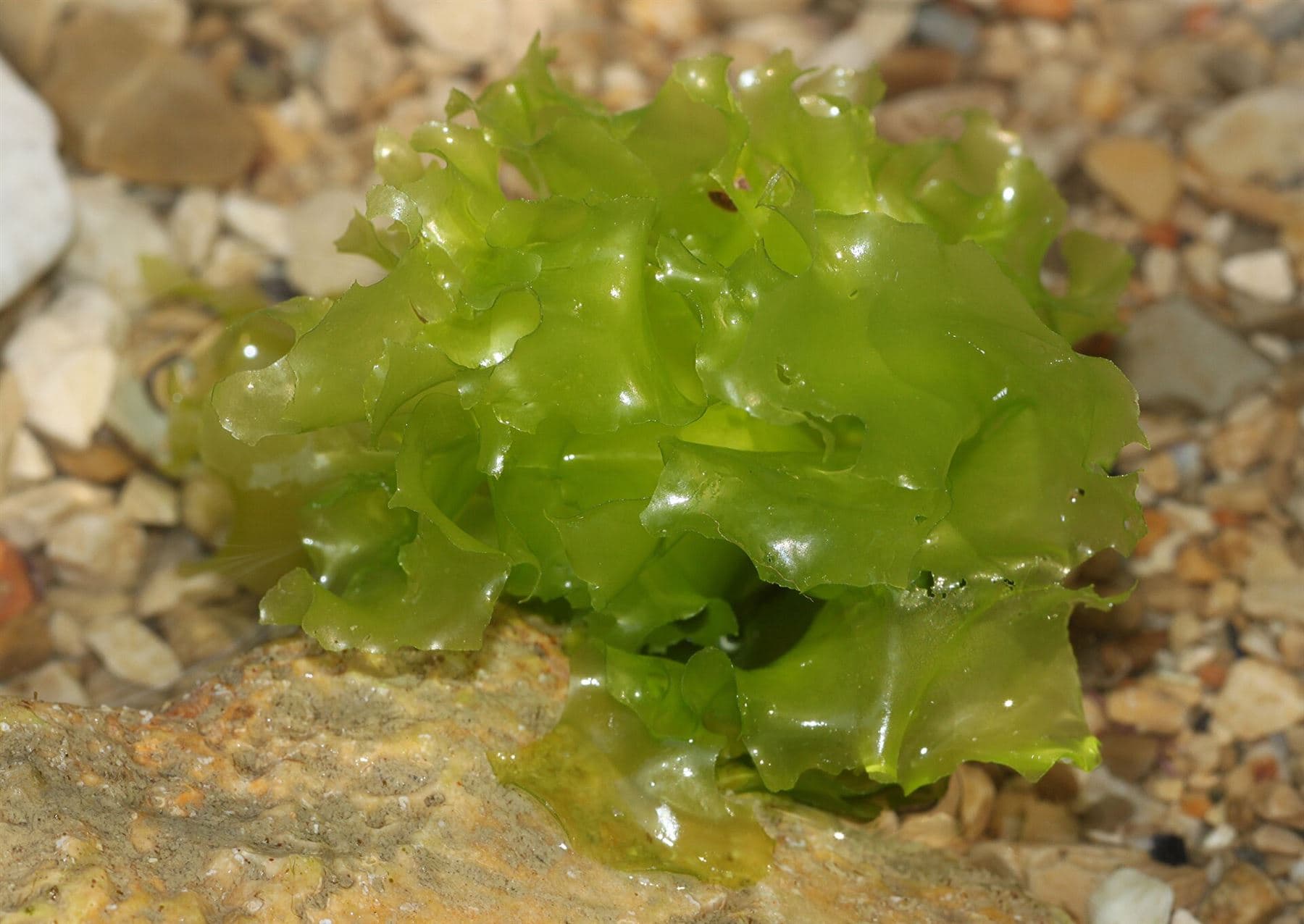
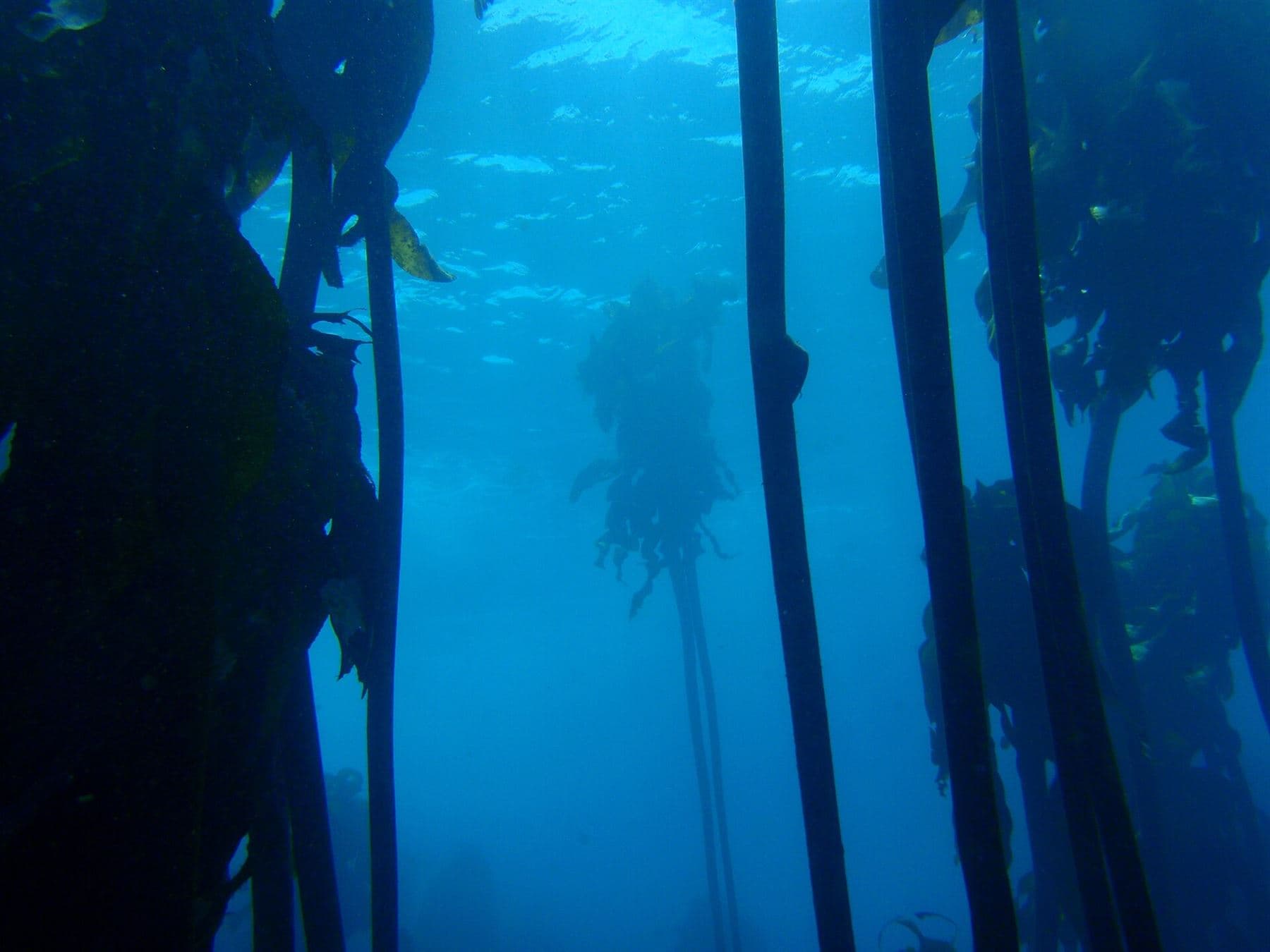
Seaweed is one of the fastest-growing materials on the planet, and it asks for almost nothing in return.
Marine macroalgae regrow quickly, season after season.
It grows in the sea, so it competes with neither food nor forests.
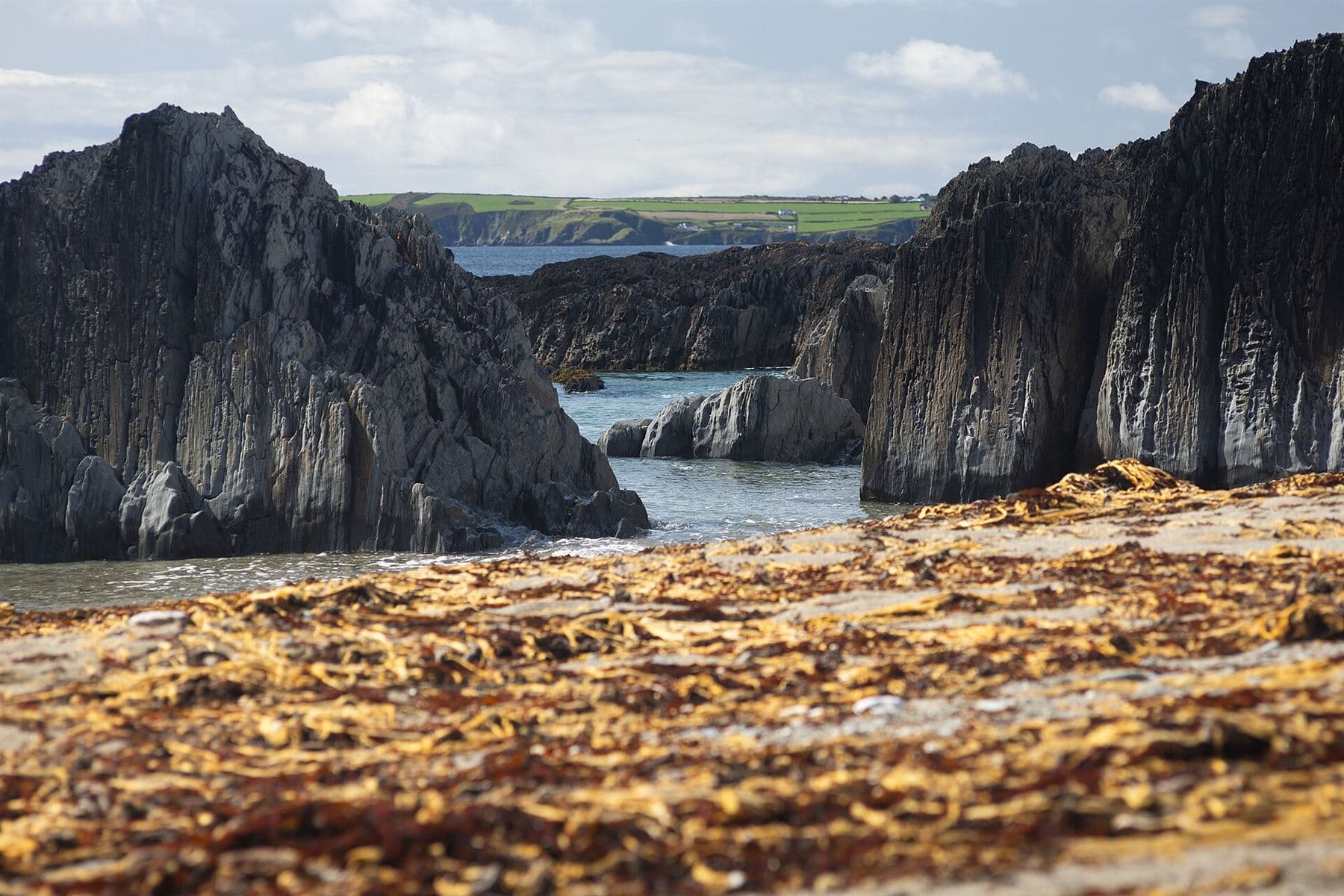
Coasts everywhere have seaweed. No long supply chains like bamboo or mycelium.
The lime binder takes CO₂ back from the air as the panel cures.
What usually takes several layers of synthetic products happens inside a single panel.
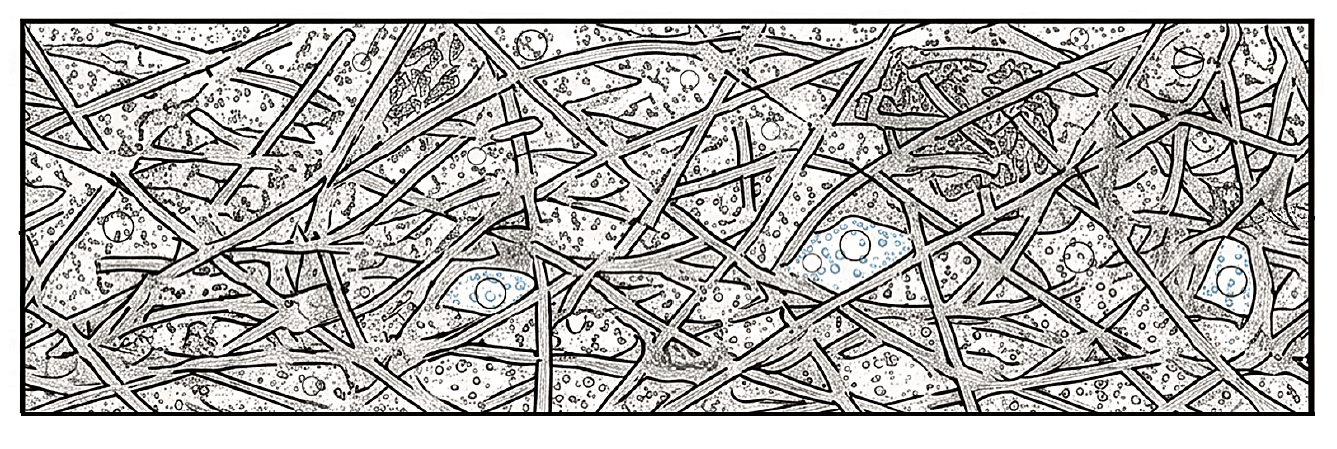
A micro-porous fibre network absorbs sound without extra mineral wool or foam.
The mineral lime matrix slows flame spread with no toxic retardants.
An alkaline core limits mould, fungi and bacteria without biocides.
No synthetic resin, no formaldehyde, no harmful VOCs.
Lime carbonates as it cures, locking atmospheric carbon into the panel.
At end of life it breaks down into soil nutrients and calcium.
Figures as cited in industry literature.
We are testing the panel in prototypes before its first installations.
Flat board, olive tone
Material research
Design study
Architects, designers and builders: ask for a sample and see the material in your hands.